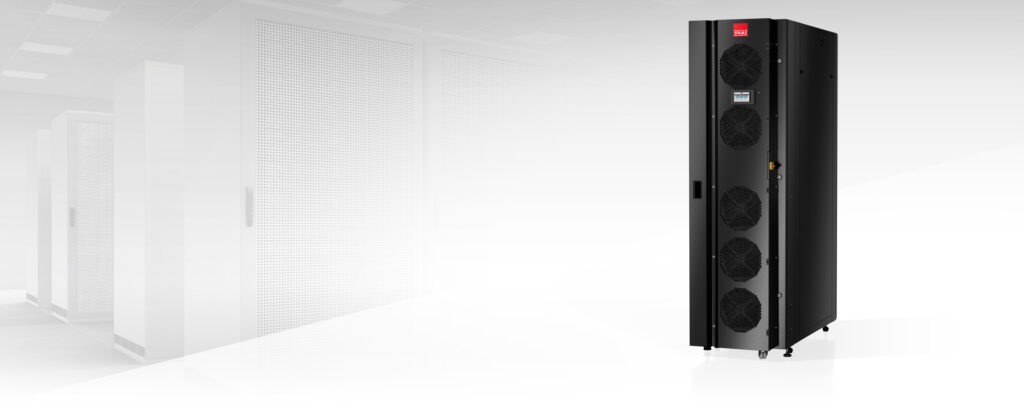
When selecting a residential ventilation unit, we pay attention to technical specifications, energy efficiency ratings, and the manufacturer’s service support. One of the most important decisions is the type of heat exchanger. This affects not only how the unit performs during winter but also indoor comfort and ease of operation.
Residential ventilation units generally use two main heat recovery technologies – rotary heat exchangers and counterflow plate heat exchangers. Both perform the same basic function: they recover heat and return it to the indoor environment. However, their operating principles and benefits differ. The answer to which solution is the better choice largely depends on the climate in which the ventilation unit will operate.
Counterflow plate heat exchanger – a solution for milder climates
The main advantage of this type of heat exchanger is its high heat recovery efficiency, which can reach up to 92%. However, this efficiency cannot be fully utilised when outdoor temperatures drop below freezing. During winter, frost begins to form inside the unit, making an electric pre-heater necessary to warm the incoming outdoor air, which increases operating costs. Another drawback is that the fresh air supplied indoors during winter contains very little moisture, resulting in an uncomfortably dry indoor environment.
Counterflow diffusion-enthalpy plate heat exchangers with a special membrane solve the humidity issue by recovering both heat and moisture, helping to maintain a balanced indoor climate. However, they can still freeze during periods of severe frost. For this reason, these units are best suited for homes located in milder temperate climates, such as Central and Southern Europe. When used in colder regions, such as Northern Europe, an additional pre-heater is required, increasing electricity consumption.
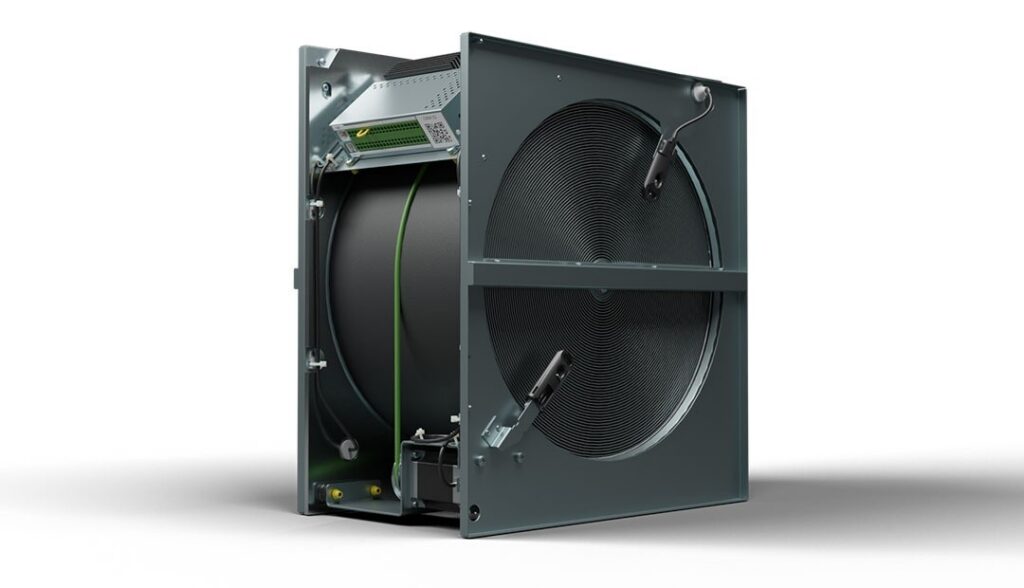
Advantages of rotary heat exchangers in cold climates
This is the most popular ventilation solution in Nordic countries and other regions with similar climatic conditions. Rotary heat exchanger units provide up to 90% temperature efficiency, which is maintained even at temperatures as low as −30°C without the risk of freezing. During winter, the heat exchanger condenses part of the moisture from the extracted indoor air and transfers it to the incoming fresh air. As a result, these units do not require a condensate drain or an electric pre-heater.
Sorption-enthalpy rotary heat exchangers also remain frost-free down to −30°C while recovering indoor humidity with a significantly higher efficiency of up to 90%. This is particularly important during winter when indoor air tends to become extremely dry. These units also eliminate the need for a humidifier, improving energy efficiency and simplifying ventilation system installation. During summer, this type of heat exchanger helps retain cool indoor air while reducing the amount of outdoor humidity entering the home.
Which solution is best suited for the Estonian climate?
Given that winter temperatures in Estonia frequently fall below −10°C, rotary heat exchangers are generally considered a more practical, reliable, and energy-efficient solution. They operate consistently in cold conditions, help maintain indoor humidity levels, and eliminate issues associated with frost formation.
Counterflow plate heat exchangers can be an excellent choice in regions with milder winters, where ventilation units are not required to operate for extended periods in sub-zero temperatures. However, the final selection should always be based on the building’s intended use, indoor climate requirements, and local climatic conditions.
Komfovent DOMEKT ventilation units are available with both rotary and plate heat exchanger options, including enthalpy versions, making them suitable for a wide range of climates and residential applications. DOMEKT units offer quiet operation and convenient multifunctional controls, ensuring a comfortable indoor environment.
If you would like advice on which Komfovent ventilation solution is best suited to your project, contact us – we will be happy to help you choose the right unit.